

‘Extinct’ dove takes flight at Paignton Zoo
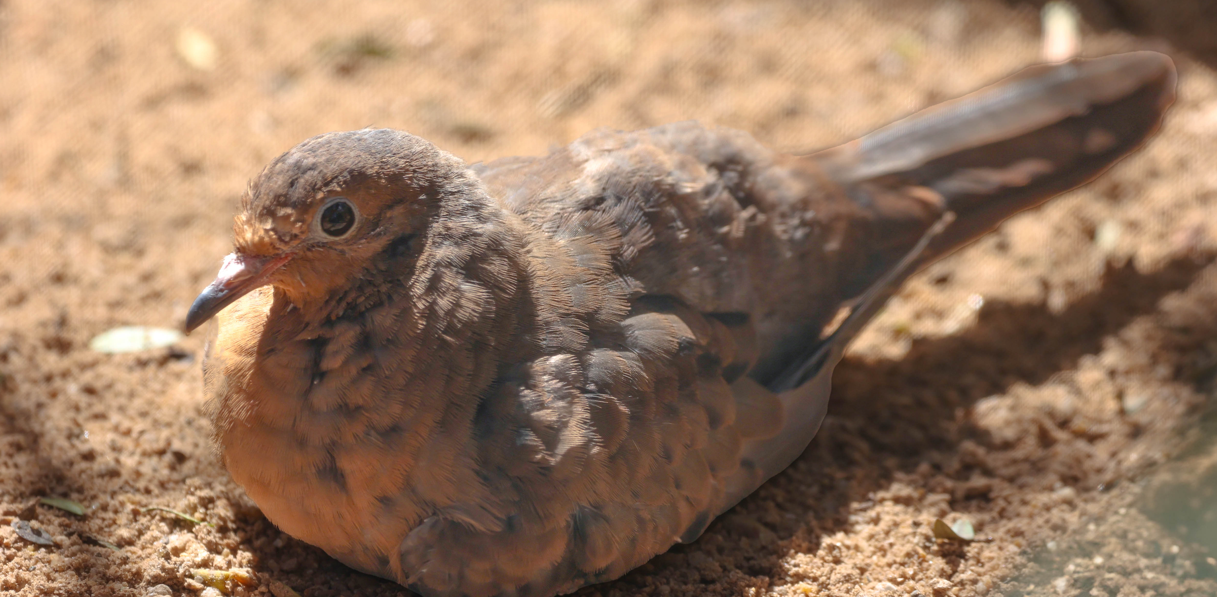
Posted: 25th April, 2024The Socorro dove is extinct in the wild. However, Paignton Zoo in Devon is not only home to these rare birds, but keepers are proud to announce that a new Socorro dove chick has hatched and is now fully fledged.
This is great news for the species, which hasn’t been seen in the wild since 1972. The dove was native to Socorro Island off the west coast of Mexico, but was classed as extinct due to a result of many threats, including hunting, human development and the introduction of invasive predatory mammals. The birds are now only believed to exist in zoological collections.
Paignton Zoo is part of the EAZA (European Association of Zoos and Aquaria) ex-situ breeding programme for the Socorro dove. The species is notoriously difficult to breed and parents often don’t incubate or rear the chicks successfully. Despite this, Paignton has had real success breeding the species, with two chicks in 2020 as well as this year’s new arrival.
Pete Smallbones, Paignton Zoo Curator of Birds, said: “We’re incredibly pleased to have successfully raised another one of these precious birds. The chick is fully fledged – meaning that it can now fly – and can be seen in the Cottage Aviary, near to the red pandas.”
Male Socorro doves are a rusty red colour, while females and juveniles are usually duller. They are primarily ground-dwelling birds, spending most of their time foraging for seeds, insects, fruit, and berries.
In addition to the new Socorro dove chick, Paignton Zoo has also welcomed a new hamerkop chick this spring too. Hamerkops come from sub-Saharan Africa, and are named for their unusual hammer-shaped heads. The chick, along with its parents, can be found in the Forest Aviary.
For more information about these species, along with Paignton Zoo visitor information, go to: www.paigntonzoo.org.uk
Related Members
-
News
.png?w=100&h=100&zc=1&f=jpeg&hash=a9c00126b17a2a2a60a114638c8dbe92) Blog: keeping members close - why good communication matters 10th September, 2026BIAZA Corporate Associate Romax on why communication is the key ingredient to a good relationship with members: Most membership teams know the feeling.…
Blog: keeping members close - why good communication matters 10th September, 2026BIAZA Corporate Associate Romax on why communication is the key ingredient to a good relationship with members: Most membership teams know the feeling.… -
News
.png?w=100&h=100&zc=1&f=jpeg&hash=aad86ef4c29c1be4f7d49d7ddd0ae3d7) Blog: photo competition ignites my childhood wonder for the natural world 4th September, 2026BIAZA’s Andrew Hall reflects on the success of BIAZA’s 2026 Photography Competition and how it speaks to a lifetime of love for nature… …
Blog: photo competition ignites my childhood wonder for the natural world 4th September, 2026BIAZA’s Andrew Hall reflects on the success of BIAZA’s 2026 Photography Competition and how it speaks to a lifetime of love for nature… … -
News
.png?w=100&h=100&zc=1&f=jpeg&hash=b758c447d510c7c32d3c5afb8454dab2) All Things Wild Launches Six-Year Conservation Strategy and ‘More Than Just Your Local Zoo’ Campaign 1st September, 2026All Things Wild has today launched its first-ever six-year Conservation Strategy alongside a new park-wide campaign, ‘More Than Just Your Local…
All Things Wild Launches Six-Year Conservation Strategy and ‘More Than Just Your Local Zoo’ Campaign 1st September, 2026All Things Wild has today launched its first-ever six-year Conservation Strategy alongside a new park-wide campaign, ‘More Than Just Your Local…