London Zoo confirms names, sex, and development of Asiatic lion cubs
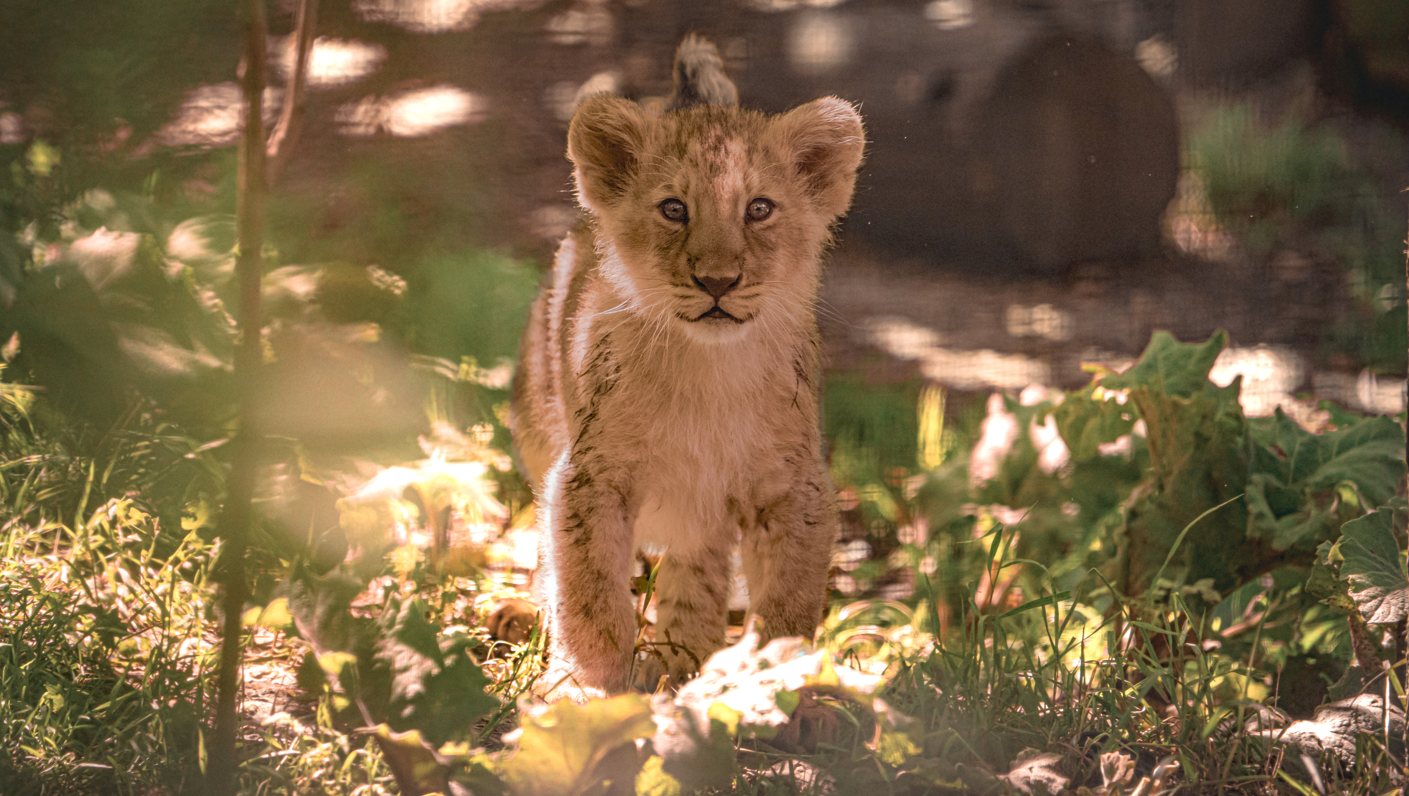
Posted: 20th June, 2024London Zoo recently announced the names of the three 13-week-old Asiatic lion cubs. Mali (male), Syanii (male) and Shanti (female) were born at the conservation zoo on 13 March 2024 to seven-year-old mum, Arya, and 14-year-old dad Bhanu.
The trio of names was provided by schoolchildren, supported by London Zoo’s corporate partner Liontrust.
For each of the names, the participating schoolchildren were asked to provide reasons for their chosen lion names: Latin-derived Mali alludes to the endangered status of Asiatic lions in the wild, while Syanii is a reinterpretation of the Bengali name Savani, and Shanti means “peace” in Indo-Aryan language Gujarati.
The zoo’s veterinary team and keepers also recently carried out the medical exam in the cubs' familiar dens, where they are most relaxed. The team formed an efficient production line to get all three checked, vaccinated, and to determine their sexes as quickly as possible.
Head vet Amanda Guthrie began by determining the sexes of the cubs, announcing that Ayra was the proud mother of two boys and a girl. She then gave each cub a quick check-up, which included administering vaccines, fitting microchips, and inspecting their tiny paws and ears to ensure they were healthy.
The cubs’ sexes and vital statistics will be added to the global species database, which is shared by zoos across the world, officially adding these precious big cats to the international breeding programme of this endangered species.
Zookeeper Kathryn Sanders said: “Our three Asiatic lion cubs are doing incredibly well, and their first health check is a major milestone for them; I’m delighted to say that they are thriving.
“Asiatic lions are an endangered species and the wild population is estimated to be only 600 to 700 individuals. One of the greatest vulnerabilities of the wild population is that it’s isolated to a single habitat: the Gir Forest in Gujarat, India. The zoo population is a vital backup for this vulnerable wild population.
“Should natural disaster or disease lead to further decline of this Endangered species, the international breeding programme ensures there is a healthy, genetically diverse population, which could help establish the lions in the wild. The addition of these three cubs at London Zoo is a fantastic conservation achievement."
Related Members
-
News
.png?w=100&h=100&zc=1&f=jpeg&hash=a9c00126b17a2a2a60a114638c8dbe92) Blog: keeping members close - why good communication matters 10th September, 2026BIAZA Corporate Associate Romax on why communication is the key ingredient to a good relationship with members: Most membership teams know the feeling.…
Blog: keeping members close - why good communication matters 10th September, 2026BIAZA Corporate Associate Romax on why communication is the key ingredient to a good relationship with members: Most membership teams know the feeling.… -
News
.png?w=100&h=100&zc=1&f=jpeg&hash=aad86ef4c29c1be4f7d49d7ddd0ae3d7) Blog: photo competition ignites my childhood wonder for the natural world 4th September, 2026BIAZA’s Andrew Hall reflects on the success of BIAZA’s 2026 Photography Competition and how it speaks to a lifetime of love for nature… …
Blog: photo competition ignites my childhood wonder for the natural world 4th September, 2026BIAZA’s Andrew Hall reflects on the success of BIAZA’s 2026 Photography Competition and how it speaks to a lifetime of love for nature… … -
News
.png?w=100&h=100&zc=1&f=jpeg&hash=b758c447d510c7c32d3c5afb8454dab2) All Things Wild Launches Six-Year Conservation Strategy and ‘More Than Just Your Local Zoo’ Campaign 1st September, 2026All Things Wild has today launched its first-ever six-year Conservation Strategy alongside a new park-wide campaign, ‘More Than Just Your Local…
All Things Wild Launches Six-Year Conservation Strategy and ‘More Than Just Your Local Zoo’ Campaign 1st September, 2026All Things Wild has today launched its first-ever six-year Conservation Strategy alongside a new park-wide campaign, ‘More Than Just Your Local…