Over 1,000 animal samples arrive at Edinburgh Zoo’s biobank hub
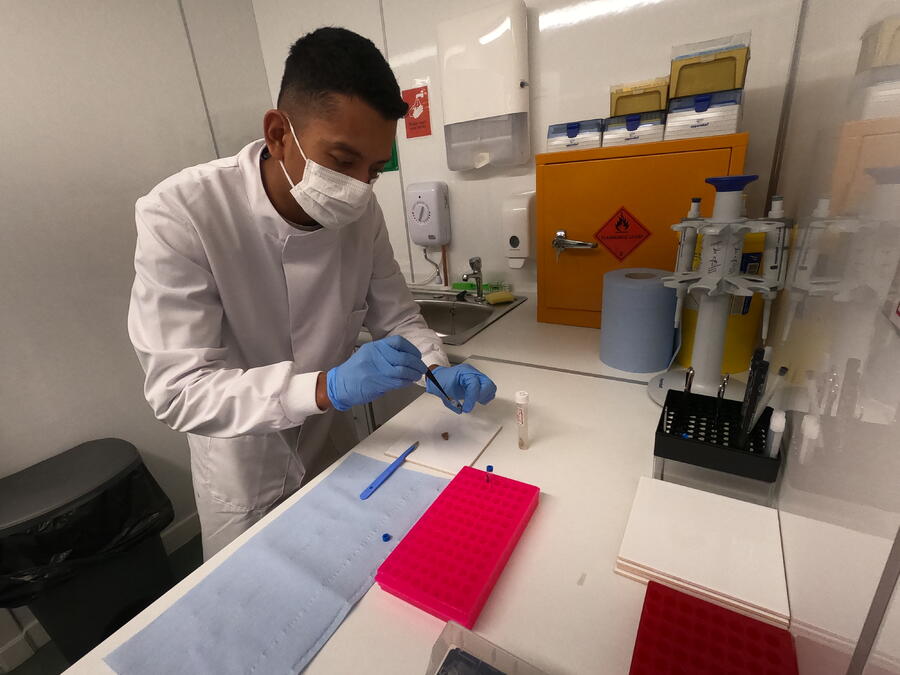
Posted: 28th January, 2021The Royal Zoological Society of Scotland (RZSS), in partnership with National Museums Scotland (NMS), has received over 1,000 samples of animal tissue for the European Association of Zoo and Aquaria (EAZA) and CryoArks biobank facilities at Edinburgh Zoo.
Samples from over 220 different animal species at Paignton Zoo in Devon are being stored by scientists at the wildlife conservation charity as part of a project to give researchers around the world access to biological samples from endangered species and other wildlife.
RZSS is working within the CryoArks initiative, and as one of four EAZA biobank hubs, to provide storage of genetic samples which can be used in research and conservation planning.
Dr Helen Senn, Head of Conservation and Science Programmes at RZSS said, “We are extremely grateful to the multitude of researchers and zoological institutions who are contributing samples that can be used by scientists for the benefit of wildlife around the world.
“Well managed sample collections can be used for critical research to improve conservation outcomes for many threatened species. From using genetic information to decided which individuals to pair in a breeding programme, to developing tools to better monitor animals in the wild.”
The goal is that a sample from every living zoo animal will be collected as part of the EAZA biobank, and in conjunction with CryoArks, so they can be accessed for future conservation management and research.
Edinburgh Zoo will feature in BBC’s A Perfect Planet documentary, airing Sunday 31 January 2021, giving viewers the chance to see how biological samples are taken for the biobank, during a routine procedure on a Diana monkey.
Related Members
-
News
 Ben Fogle & Kate Humble awarded prestigious zoo and aquarium hero award 14th July, 2026The presenters of TVs Animal Park have been surprised with the Zoo and Aquarium Hero Award while filming at Longleat. The award marks 25 years of the…
 -
News
 Defra funds zoo and aquarium conservation projects 10th July, 2026Members of the British and Irish Association of Zoos and Aquariums (BIAZA) will receive Government funding for their efforts to conserve native species.…
 -
News
 BIAZA wins funding for snail conservation project 8th July, 2026Today [8 July], the UK Government has announced Species Recovery Funding for the British and Irish Association of Zoos and Aquariums (BIAZA)’s conservation…