International recognition for RZSS Chief Exec
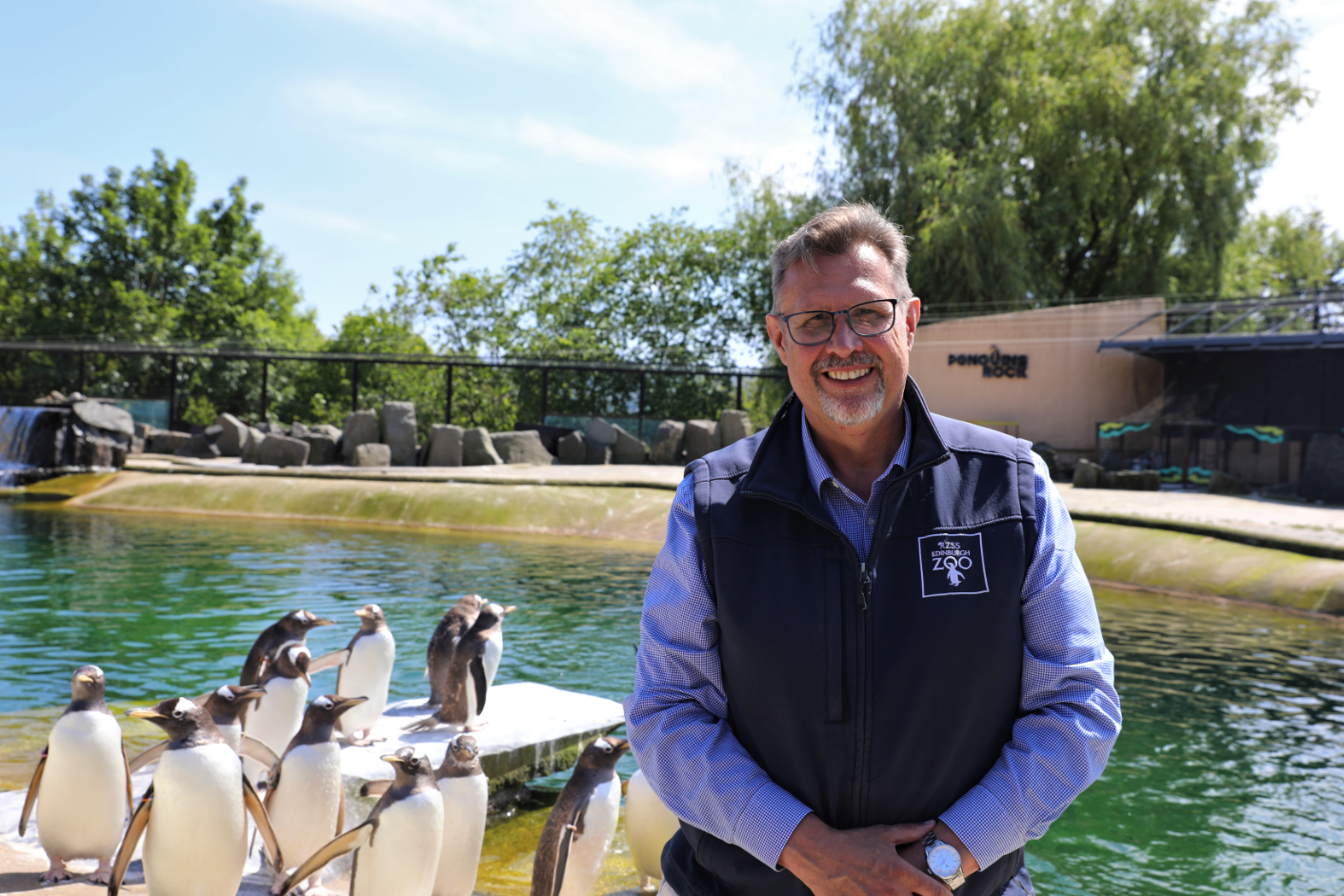
Posted: 11th September, 2023The Chief Executive Officer of the Royal Zoological Society of Scotland (RZSS), David Field, has been elected as Vice President of the World Association of Zoos and Aquariums (WAZA).
WAZA is the global alliance of regional associations, national federations, zoos and aquariums, dedicated to the care and conservation of animals and their habitats around the world. The membership consists of nearly 400 leading institutions and organisations around the world.
Welcoming the news, David said:
“This is a real honour for me personally and fantastic international recognition for the Royal Zoological Society of Scotland.
“Last year RZSS launched our new strategy and our vision of a world where nature is protected, valued, and loved. As a team, we already work very successfully with people and partners here in Scotland and around the globe.
“Edinburgh Zoo and the Highland Wildlife Park are our gateways through which people can experience nature, but readers may not be aware that we also manage conservation projects around the world, which includes the release of wildcats in Scotland, giraffe conservation in Uganda and protecting Giant Armadillos and Anteaters in Brazil – to name a few.
“Part of my new role with WAZA will be to support the Association to achieve its ambition to keep improving animal care and welfare, environmental education, and conservation globally.”
Related Members
-
News
.png?w=100&h=100&zc=1&f=jpeg&hash=aad86ef4c29c1be4f7d49d7ddd0ae3d7) Blog: photo competition ignites my childhood wonder for the natural world 4th September, 2026BIAZA’s Andrew Hall reflects on the success of BIAZA’s 2026 Photography Competition and how it speaks to a lifetime of love for nature… …
Blog: photo competition ignites my childhood wonder for the natural world 4th September, 2026BIAZA’s Andrew Hall reflects on the success of BIAZA’s 2026 Photography Competition and how it speaks to a lifetime of love for nature… … -
News
.png?w=100&h=100&zc=1&f=jpeg&hash=b758c447d510c7c32d3c5afb8454dab2) All Things Wild Launches Six-Year Conservation Strategy and ‘More Than Just Your Local Zoo’ Campaign 1st September, 2026All Things Wild has today launched its first-ever six-year Conservation Strategy alongside a new park-wide campaign, ‘More Than Just Your Local…
All Things Wild Launches Six-Year Conservation Strategy and ‘More Than Just Your Local Zoo’ Campaign 1st September, 2026All Things Wild has today launched its first-ever six-year Conservation Strategy alongside a new park-wide campaign, ‘More Than Just Your Local… -
News
.png?w=100&h=100&zc=1&f=jpeg&hash=4466a39223e36e593a9c2b10c32baa71) Family-run Northumberland Zoo begins its next chapter as a registered charity 1st September, 2026After more than a decade of growth, Northumberland Zoo is taking its biggest step yet by becoming a registered charity, creating new opportunities to…
Family-run Northumberland Zoo begins its next chapter as a registered charity 1st September, 2026After more than a decade of growth, Northumberland Zoo is taking its biggest step yet by becoming a registered charity, creating new opportunities to…